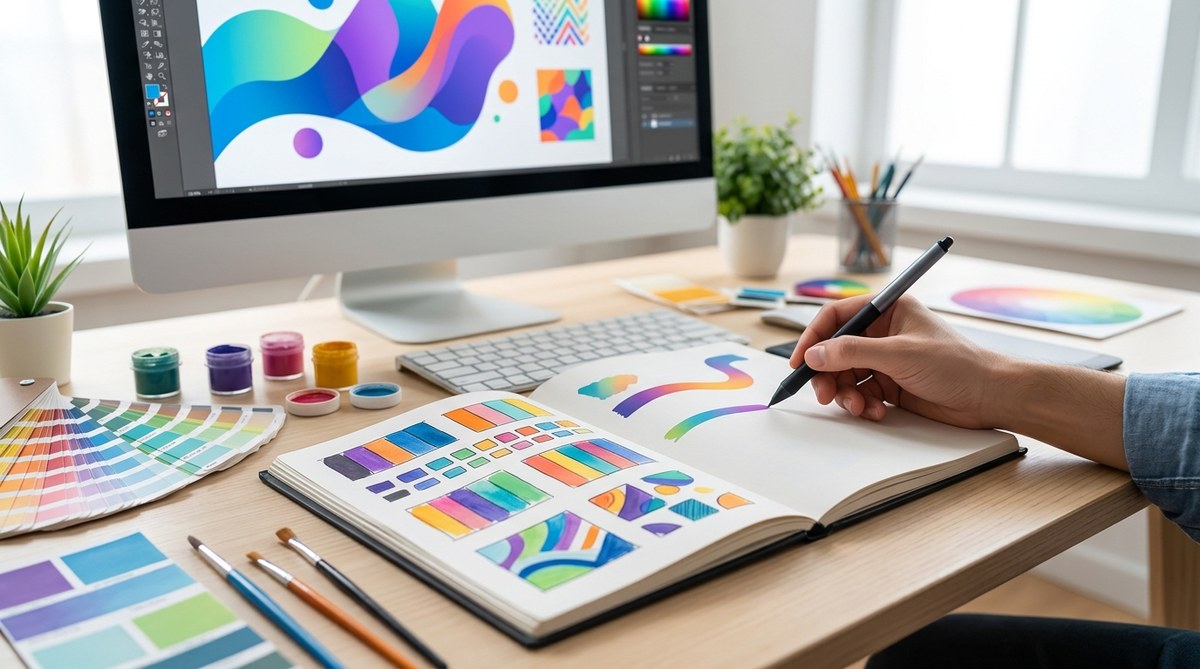
Looking to make your designs pop with the right colors? Choosing effective color combinations for design can transform simple visuals into captivating works of art. Whether you’re crafting a website, branding, or a piece of art, the right color pairing creates harmony, draws attention, and evokes emotion. This guide will walk you through the essentials of selecting and applying color combinations that work. You’ll also find practical techniques and inspiring examples to boost your creative process.
Choosing the right color combinations for design is about understanding color harmony, contrast, and psychological impact. By mastering these principles, you can craft visually appealing and emotionally resonant projects that capture attention and communicate your message effectively.
Understanding the basics of color combinations
Before jumping into mixing colors, it’s essential to grasp some core concepts. Color combinations rely on how colors interact on the color wheel and how they influence perceptions. Knowing these basics will help you create balanced, dynamic, and harmonious palettes.
The color wheel and its role in design
At the heart of color theory is the color wheel—a circular diagram that arranges colors based on their relationships. Primary colors (red, blue, yellow) serve as the foundation, with secondary and tertiary colors created by mixing them. The wheel helps visualize how colors relate to each other and guides you in selecting harmonious schemes.
Types of color harmony
Color harmony refers to pleasing combinations that feel balanced. Some popular types include:
- Complementary: Colors opposite each other on the wheel. They create vibrant contrast. Think blue and orange.
- Analogous: Colors next to each other. They produce a harmonious look. For example, yellow, yellow-orange, and orange.
- Triadic: Three evenly spaced colors around the wheel. Such as red, yellow, and blue.
- Split-complementary: A base color plus the two colors adjacent to its complement. Creates contrast with less tension.
- Tetradic (double complementary): Two pairs of complementary colors. Offers rich variety but requires careful balance.
Color properties impacting combinations
Colors have properties that influence how they work together:
- Hue: The actual color.
- Saturation: Intensity or purity.
- Brightness: Lightness or darkness.
Adjusting these can fine-tune your palettes for different moods and effects.
Practical steps for creating compelling color combinations
Creating effective color schemes involves a process. Here’s a simple approach to get started:
-
Identify your project’s mood and purpose
Decide what feeling or message you want. Bright and energetic? Calm and professional? The mood guides your color choices. -
Choose a dominant color
Pick a color that aligns with your message. For instance, blue for trust or green for growth. -
Select supporting colors
Use principles like analogous or complementary to find colors that work well with your main hue. -
Test contrast and harmony
Ensure your combination maintains readability and visual interest. Use tools like Coolors or Adobe Color to experiment. -
Refine and adjust
Play with saturation and brightness to achieve the desired impact. Remember to check how your palette looks in different contexts. -
Apply your palette consistently across your design elements for coherence.
Tips for picking color combinations
- Use a limited palette—three to five colors—for clarity.
- Incorporate neutral tones like white, black, or gray to balance vibrant colors.
- Consider color psychology to evoke specific emotions.
- Test your palette in different lighting conditions and mediums.
Techniques for using color combinations effectively
| Technique | Purpose | Common Mistakes |
|---|---|---|
| Contrast balancing | Ensures elements stand out without causing eye strain | Overusing high contrast can be jarring |
| Color blocking | Creates bold, modern layouts | Using too many contrasting blocks can overwhelm |
| Gradients | Adds depth and interest | Poorly chosen gradients can look muddy or unnatural |
| Accent colors | Highlights key elements | Too many accents dilute focus |
“Always remember, the best color combinations for design are those that support your message and resonate with your audience. Don’t be afraid to experiment and trust your eye.” — Design expert Emily Adams
Popular color schemes and when to use them
Some schemes are timeless and work across various projects. Here are a few favorites:
- Monochromatic: Variations of a single hue. Perfect for minimalistic and elegant designs.
- Complementary: High contrast for attention-grabbing visuals. Ideal for call-to-action buttons.
- Analogous: Harmonious and soothing. Great for branding or nature-inspired themes.
- Triadic: Vibrant and balanced. Suitable for colorful, playful designs.
Examples of successful color combinations in real projects
- Website branding: A navy blue, coral, and white palette creates a professional yet warm look.
- Interior design: Earth tones like olive green, beige, and terracotta evoke comfort.
- Fashion: Black, gold, and deep red convey luxury and sophistication.
Avoiding common mistakes with color combinations
While experimenting is encouraged, some pitfalls can undermine your design:
| Mistake | Impact | How to avoid it |
|---|---|---|
| Overusing bright colors | Causes visual fatigue | Limit vibrant hues and balance with neutrals |
| Poor contrast | Reduces readability | Test your color choices in different lighting |
| Inconsistent palette | Looks unprofessional | Stick to a defined color scheme |
| Clashing hues | Distracts or offends | Use color harmony tools to check combinations |
Final tips for mastering color combinations
- Use online color palette generators to spark ideas.
- Gather inspiration from nature, art, and fashion.
- Keep your target audience in mind.
- Test your palettes across digital and print mediums.
- Trust your instincts but also rely on proven principles.
Elevate your designs with thoughtful color pairings
Choosing the right color combinations for design is both an art and a science. By understanding how colors interact and applying practical techniques, you can craft visuals that truly stand out. Remember, the best palettes support your message and evoke the right emotions. Practice, experiment, and trust your creative instincts to develop palettes that resonate deeply with your audience. Your next project is waiting for those perfect color combinations to shine.