If you create visuals for a living, you already feel it. The design world is shifting faster than ever, and 2026 is shaping up to be a year of bold choices, playful experiments, and smarter tools. Clients are asking for work that feels fresh, memorable, and unmistakably current. Staying ahead of these shifts is not just nice to have. It is how you keep your portfolio relevant and your projects exciting.
This guide breaks down the graphic design trends 2026 will be known for. Think of it as your creative compass. Use it for client pitches, personal projects, or just to refresh your own visual language. No fluff, no hype, just a clear look at where design is heading.
Why Design Trends Matter More Than Ever
Trends are not rules. They are signals. They show where culture, technology, and visual taste are moving. For designers, paying attention to trends helps you stay sharp and relevant. It also helps you communicate with audiences who expect a certain visual language.
But trends are tools, not masters. Use them to inform your choices, not to copy what everyone else does. The best work blends a trend with your own point of view. That is how you create something memorable.
In 2026, the design landscape is shifting fast. Artificial intelligence is now a creative partner. Color is getting louder. Typography is becoming expressive. And nostalgia keeps colliding with futurism in exciting ways.
This guide breaks down the biggest graphic design trends 2026 has in store. You will learn what each trend looks like, why it matters, and how to apply it to your own projects. Whether you work in branding, UI, or print, these ideas will help you stay ahead.
Why Graphic Design Trends Matter in 2026
Design trends are not about copying what is popular. They are signals. They show where culture, technology, and user expectations are moving. When you understand these signals, you can create work that feels current and relevant.
Clients often ask for designs that feel fresh. They want work that stands out in a crowded feed. Knowing the graphic design trends 2026 is bringing helps you answer that call with confidence.
Trends also help you grow. They push you to experiment with new tools, new palettes, and new layouts. Even if you do not adopt a trend fully, the ideas can inform your process and spark fresh directions.
This guide walks through the biggest visual movements for 2026. You will learn what they are, why they matter, and how to use them in your next project. Whether you work in branding, UI, or print, there is something here for you.
What Is Shaping Design This Year
The design world in 2026 is not about one single look. It is a mix of technology, culture, and a growing desire for authenticity. Three big forces are driving the change.
First, artificial intelligence is now a standard tool in creative workflows. Designers use it to explore ideas faster, generate textures, and test color palettes. But the human touch still leads. AI is the paintbrush, not the painter.
Second, audiences want emotional connection. After years of polished perfection, people crave work that feels human, warm, and a little imperfect. This shows up in hand drawn elements, textured gradients, and analog inspired layouts.
Third, sustainability matters. Clients ask for designs that communicate eco-conscious values. That means natural palettes, organic shapes, and honest materials.
These forces shape the visual language of 2026. And they lead to one big idea: color is the storyteller. The palettes we choose carry meaning, mood, and memory. If you want to see how color specifically drives this year’s biggest movements, check out our guide to the 8 gradient trends that will define visual design in 2026.
What Is Driving Graphic Design in 2026?
Design in 2026 is not about picking one style. It is about mixing tools, emotions, and storytelling. The biggest shift? Designers are no longer just creating images. They are building experiences that feel personal, alive, and responsive.
Three forces are shaping the work:
- AI as a creative partner. Generative tools have matured. Designers use them to explore ideas, not just to save time. The result is a blend of human intuition and machine generated surprise.
- A craving for warmth. After years of sterile minimalism, clients want work that feels human, textured, and emotionally resonant.
- Motion everywhere. Static pages are fading. Even small brand assets now include subtle animation, depth, or interactivity.
These forces show up in specific styles. The trends below are the ones to watch in 2026.
AI Assisted Design Becomes a Standard Tool
AI is no longer a novelty. It is a standard part of the design workflow. Designers use generative tools to explore color palettes, create mood boards, and test layout variations in minutes. The result is a faster ideation phase with more room for creative risk.
But the trend is not about letting AI do everything. The best work in 2026 pairs human taste with machine speed. Designers use AI to generate raw material, then apply their own judgment to shape it into something meaningful. This human plus machine loop creates visuals that feel both polished and personal.
For color work, AI can suggest palettes based on emotional goals or brand values. You still decide which combinations sing. That collaboration is where the magic happens.
Human and AI Collaboration in Practice
A common mistake is treating AI output as final. Instead, treat it as a starting point. Use generative tools to explore color palettes, layout options, or typographic pairings. Then refine with your own eye. The best 2026 design work will balance algorithmic speed with human taste.
1. AI Assisted Design: Your Creative Partner, Not Your Replacement
AI is no longer a novelty. It is a daily tool for many designers. In 2026, the conversation has shifted from “will AI replace designers?” to “how can designers work with AI?” This partnership is one of the biggest graphic design trends 2026 has to offer.
Think of AI as a brainstorming partner. It can generate color palettes, suggest layout variations, or turn a rough sketch into a polished concept. Tools like Midjourney and DALL·E help you explore directions fast. You bring the taste, the strategy, and the human touch.
The key is to use AI as an amplifier, not a crutch. Use it to test ideas before committing. Generate mood boards in seconds. Explore color combinations you would not have tried otherwise. Then refine everything with your own judgment.
For color inspiration, platforms like Color Crush are built to help designers find palettes that fit the 2026 mood. Pairing AI generated concepts with a thoughtful color strategy is how the best work gets made this year.
Why Design Trends Matter in 2026
Design trends are more than seasonal fads. They reflect shifts in culture, technology, and how people process information. In 2026, attention spans are shorter, content is louder, and brands are fighting for emotional connection. Trends give you a shared visual language that feels current without losing clarity.
But trends are tools, not rules. The best designers study them, then adapt what fits their project. You do not need every trend in one piece. Pick one or two that support the story you are telling.
That mindset turns trends from a checklist into a creative advantage. And the 2026 landscape is full of exciting directions to explore.
What Is Driving Graphic Design Trends in 2026
Several forces shape the visual world this year. AI tools are now standard in many workflows. Designers use them to brainstorm, generate textures, and speed up repetitive tasks. But the human touch still matters. The best work blends machine speed with human taste.
Another driver is the push for authenticity. Audiences are tired of polished, generic visuals. They want work that feels honest, tactile, and a little imperfect. That shift shows up in textures, color choices, and layout decisions across web and print.
Sustainability also plays a bigger role. Clients ask for designs that reflect eco-conscious values. This shows up in natural palettes, organic shapes, and recycled material mockups.
Finally, digital experiences are getting more immersive. With faster internet and better screens, designers can layer motion, depth, and interactivity in ways that were harder to pull off before. All of these forces come together in the graphic design trends 2026 will remember.
Now let’s look at the specific directions that will shape portfolios, brand identities, and UI projects this year.
Color Is the New Logo
Brand recognition used to rely on a memorable logo. In 2026, color does a lot of that heavy lifting. Bold, hyper-saturated palettes are becoming signature elements for brands across tech, fashion, and food. Think of how a distinctive gradient or a vivid monochrome scheme can make a brand instantly recognizable, even without a logo.
This trend pairs well with the growing love for maximalism. Designers are layering electric blues, hot pinks, and neon greens into brand systems. They use color blocking, duotones, and gradient overlays to create depth. The result is a visual language that feels alive and energetic.
If you want to explore this direction, check out some gradient trend guides for practical ways to apply bold color in your next project.
What Is Driving Graphic Design Trends in 2026?
Three forces shape the design landscape this year.
First, AI tools are now part of everyday workflows. Designers use them for ideation, color exploration, and rapid prototyping. The result is a hybrid creative process where human taste meets machine speed.
Second, audiences crave authenticity. After years of polished, same-looking brand visuals, people respond to work that feels human, tactile, and imperfect. This pushes designers to blend digital precision with handmade texture.
Third, attention spans are shorter than ever. Motion, bold color, and interactive elements are no longer optional. They are the baseline for engaging work.
These forces show up in the trends below. Some are technical. Some are cultural. All of them are useful for client work, portfolio pieces, or personal projects.
What Is Driving Graphic Design Trends in 2026
Design trends in 2026 are shaped by a few big forces. Artificial intelligence is now a standard part of the creative workflow. It is not replacing designers. It is expanding what one person can produce in a single session. Generative tools help with ideation, color exploration, and asset creation, but the human eye still makes the final call.
At the same time, audiences are more visually literate than ever. They have seen every gradient, every 3D render, and every minimal logo. That means designers are pushing toward more expressive, layered, and personal work. The result is a mix of high tech and high touch. Think hand-drawn textures meeting generative AI. Think bold color systems that feel both digital and organic.
Sustainability also plays a role. Clients want designs that feel intentional and honest. They ask for visuals that communicate values, not just style. This shifts how designers choose palettes, typography, and even the metaphors they use.
The trends below reflect these forces. Some are about technology. Others are about culture. All of them are shaping what we will create in 2026.
Why Design Trends Matter More Than Ever
Design trends are not just about looking current. They signal where culture, technology, and user expectations are moving. For designers, staying aware of these shifts helps you create work that feels relevant without losing your unique voice.
Trends also shape how audiences perceive brands. A dated visual language can make a product feel out of touch, even if the underlying service is excellent. On the flip side, jumping on every trend can make your work feel generic. The goal is to understand what is driving each trend and then apply it with intention.
In 2026, the design landscape is more layered than ever. AI tools are maturing. Motion is becoming standard. Color is doing heavy emotional lifting. And the line between digital and physical continues to blur.
This guide walks through the most important graphic design trends 2026 has to offer, with practical ways to use them in your own projects.
Why Design Trends Matter in 2026
Design trends are not about following the crowd. They are signals. They show where culture, technology, and user expectations are heading. When you spot a trend early, you can use it to make your work feel current without losing your own voice.
Clients often ask for work that feels fresh. They want designs that look like they belong to this year, not five years ago. Knowing the trends helps you speak that language. It also helps you decide when to follow a trend and when to push back.
Trends are tools, not rules. Use them with intention.
The Big Shift: Human and AI Collaboration
AI moved from novelty to daily tool. In 2026, designers are not replacing their skills with AI. They are pairing human taste with machine speed.
This collaboration shows up in many ways. Designers use generative AI to explore color palettes, create texture studies, and draft layout variations. Then they refine those outputs with a human eye. The result is work that feels both efficient and personal.
The best AI assisted design does not look like a prompt dump. It looks intentional. It combines the weird, unexpected output of a model with the designer’s sense of hierarchy, rhythm, and meaning. Think of AI as a brainstorming partner that never gets tired, not as a button that replaces your judgment.
For 2026, expect more tools that embed AI directly into design software. Auto layout suggestions, smart color palette generation, and adaptive typography will become standard. The designers who thrive will be the ones who learn to direct these tools toward a clear creative vision.
Color as a Storytelling Tool
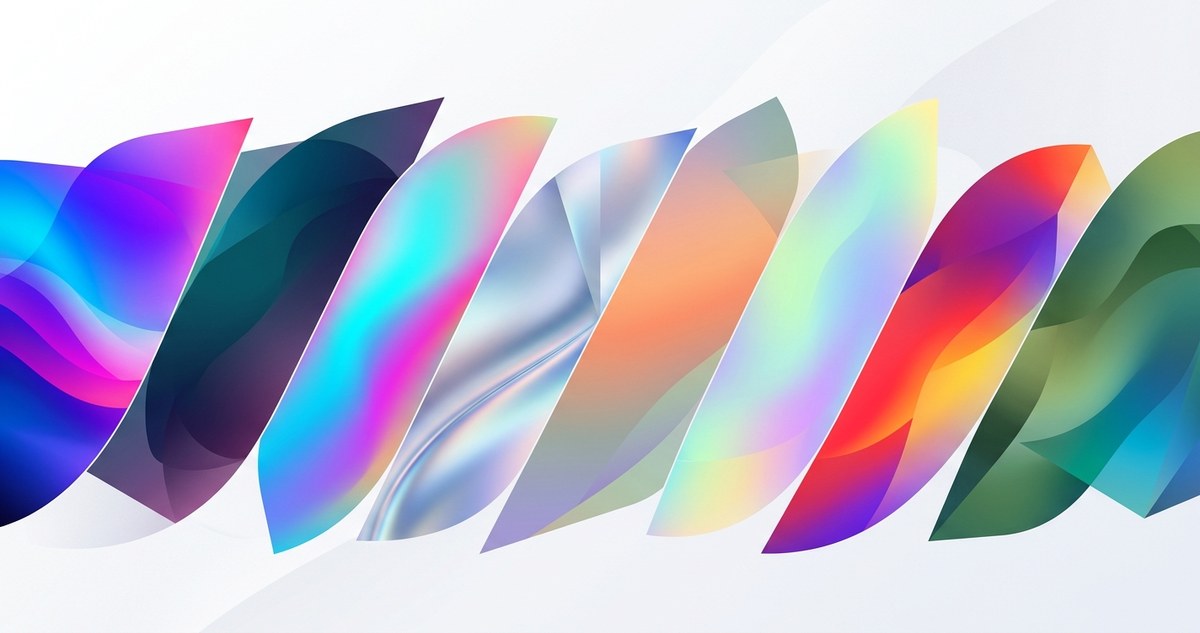
Color has always been central to design, but 2026 is pushing it further. Gradients are evolving from simple two tone blends into complex, layered narratives. We wrote about the specific gradient directions to watch in our guide on gradient trends that will define visual design in 2026.
The big shift is toward intentional palettes. Designers are moving away from random color choices and toward systems that support a brand story. Each hue gets a job. Background colors create mood, accent colors guide attention, and gradient transitions signal movement or transformation.
Accessibility remains a key consideration. Vibrant palettes are fun, but they still need to meet contrast standards. The best 2026 designs find that balance: bold enough to stop the scroll, clear enough to read easily.
Typography Takes Center Stage
Type is no longer sitting quietly in the background. In 2026, typography is often the main visual element. Oversized headlines, expressive variable fonts, and type that interacts with imagery are everywhere.
Variable fonts deserve special attention. They allow a single font file to shift weight, width, and slant fluidly. This opens up motion design possibilities where text can morph and adapt as the user scrolls or hovers. Kinetic typography, where the text itself moves, is becoming a brand voice rather than just a decorative choice.
When pairing fonts, think contrast. A massive display face paired with a clean, readable body font creates tension and energy. That contrast keeps layouts feeling fresh even when the structure is simple.
Motion and Micro Interactions
Motion design has moved from nice to have to essential. Micro interactions, the tiny animations that respond to user actions, shape how people feel about a product. A button that gives a soft bounce, a menu that slides open smoothly, these details build trust.
In 2026, motion is also becoming more meaningful. Instead of adding animation everywhere, designers are using it to explain. A transition that shows where a new element came from helps users understand the interface. Motion is a language, and good designers are learning to speak it clearly.
Performance matters too. Heavy animations that slow down a site will frustrate users. The goal is motion that feels effortless, which means optimizing assets and using animation with restraint.
Three Dimensional and Immersive Elements
The line between flat design and dimensional design keeps blurring. 2026 brings more 2.5D elements, where flat shapes gain depth through shadows, layering, and perspective. This approach feels modern without requiring heavy 3D rendering.
True 3D also remains popular, especially in product visualization and brand imagery. Advances in rendering tools make it more accessible for designers at any level. Even simple 3D shapes can add a tactile quality to a layout.
Immersive design extends beyond visuals. It is about creating a sense of place. Layered elements, parallax scrolling, and spatial audio all contribute. The goal is to make the user feel present in the experience, not just looking at a screen.
Surreal and Playful Visuals
After years of polished minimalism, there is room for weirdness. Surreal imagery, absurd compositions, and playful distortions are gaining ground. These visuals grab attention because they defy expectations.
This trend borrows from the worlds of illustration and collage. Think melting objects, impossible perspectives, and unexpected scale shifts. These elements add personality and make brands feel more human.
The key to using surrealism effectively is restraint. One unexpected element in an otherwise clean layout creates a memorable moment. When everything is strange, nothing stands out.
Layered and Textured Backgrounds
Flat color backgrounds are giving way to richer textures. Grain, noise, paper textures, and subtle gradients add warmth to digital designs. These layers create depth and make interfaces feel more crafted.
Textures also help bridge the gap between digital and physical. A design that feels like it could be printed carries a different energy than one that is purely screen based. This tactile quality is part of the broader move toward authenticity.
When using textures, watch for legibility. A busy background can interfere with text or interface elements. The best approach is to apply texture selectively, letting it enhance the design without competing with the content.
Modular and Flexible Layouts
Rigid grid structures are loosening up. Modular layouts, where content sits in distinct blocks, allow for more flexible arrangements. These systems adapt well across different screen sizes and contexts.
Scattered and asymmetric layouts are also appearing. Elements might overlap, sit at different angles, or break out of the grid entirely. This creates a dynamic, collage like feeling that works well for editorial and portfolio sites.
The challenge with flexible layouts is maintaining order. Even when things feel scattered, there should be an underlying system. This keeps the design from feeling chaotic and ensures users can still navigate easily.
Sustainable and Ethical Design Choices
Designers are thinking more about the impact of their work. Sustainable design includes choices like using fewer heavy assets, optimizing images, and considering the energy cost of a site. Dark mode, efficient code, and reduced motion options all contribute to a lighter footprint.
Ethical design is also about inclusivity. That means considering color contrast, font readability, and interface clarity for all users. It means designing with empathy, making sure that the experience works for people with different abilities and contexts.
These considerations are not just trends. They reflect a broader expectation that design should be responsible. Brands that demonstrate this care build stronger connections with their audiences.
Hyper Personalized Experiences
Personalization is moving beyond just using a user’s name. Design systems are becoming more adaptive, changing based on user behavior, preferences, and context. This could mean adjusting color themes, content order, or interface density.
Adaptive design requires a solid foundation. Data about user behavior should inform design decisions, but it should not dictate them. The goal is to create experiences that feel tailored without being intrusive.
For designers, this means thinking in systems. Instead of designing one static experience, consider how the design can shift across different scenarios. This flexibility is becoming a core skill.
The Role of Collaboration
Design in 2026 is more collaborative than ever. Designers are working closely with developers, writers, and strategists from the start. This cross disciplinary approach leads to more cohesive work.
AI tools are also changing team workflows. Designers can generate options quickly, then refine and curate the results. This frees up time for deeper creative thinking and problem solving.
The best designs come from a clear vision, clear communication, and a willingness to iterate. Tools change, but the fundamentals of collaboration remain the same.
Preparing for the Year Ahead
Trends are signals, not rules. The most effective designers will look at these directions and ask what serves their project, their audience, and their goals. Not every trend fits every brand, and that is okay.
A thoughtful approach starts with the essentials: clear messaging, solid typography, intentional color, and meaningful motion. From there, trends can provide inspiration and help a design feel current. The goal is not to chase every new aesthetic, but to use trends as tools that support the story you are trying to tell.
The design landscape for 2026 is rich with possibilities. From expressive type and bold color to playful visuals and adaptive systems, there is room for a wide range of styles. The common thread is intentionality. Designs that work are the ones where every choice has a purpose, and that purpose is to serve the people using them.